Attraction in Somalia
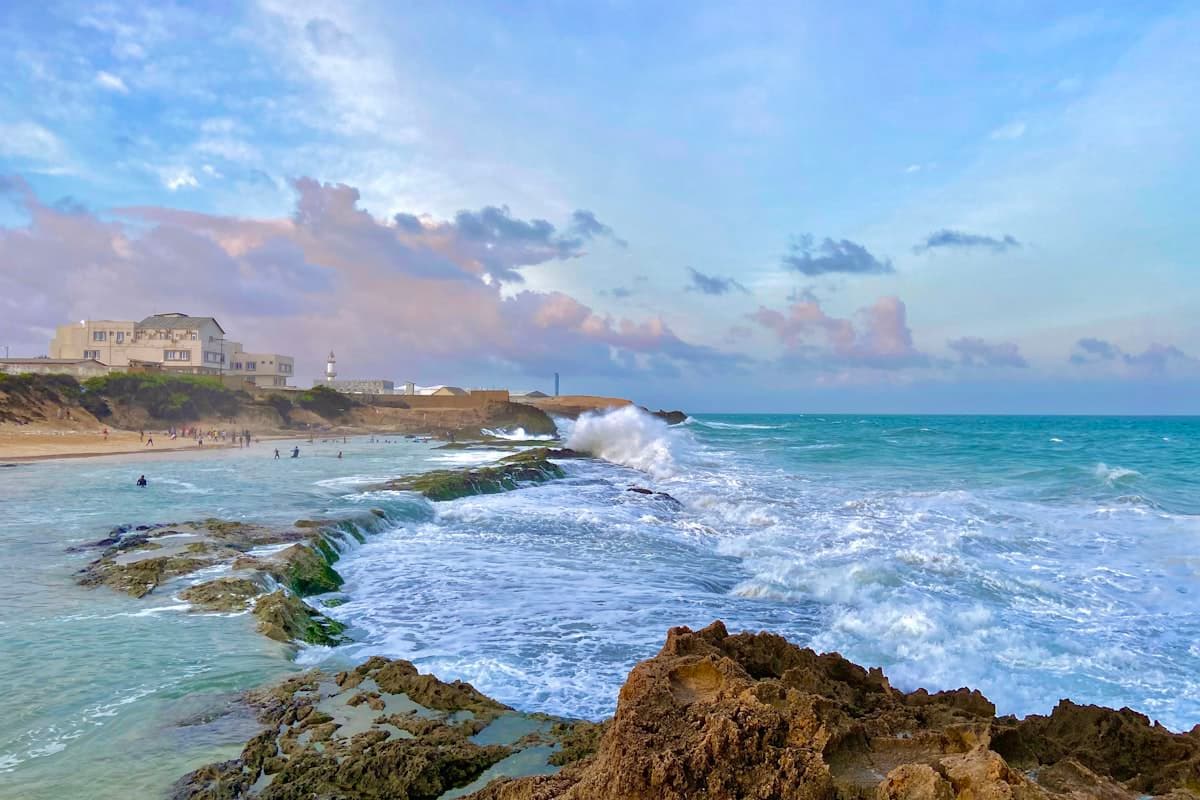
Berbera Coastline
The coastline around Berbera on the Gulf of Aden offers some of the most accessible beaches in northern Somalia, with Khor Ambado Beach, about 30 kilometres from the city centre, featuring calm turquoise waters and a broad sandy shoreline backed by arid hills. The gulf waters here are known for good snorkelling opportunities over coral formations, and the relative isolation of the beaches gives them an undeveloped character rare on this stretch of coast. The setting combines the natural scenery of the Red Sea approach with proximity to Berbera's layered Ottoman-era urban heritage.
Wise
Your bank marks up every USD you spend in Somalia. Wise doesn't.
- No foreign transaction fees
- Free ATM withdrawals up to your limit
- Pay in local currency at the real rate
4.8 ★ App Store·4.8 ★ Google Play
Airalo eSIM
Your phone plan was built for home. This one was built for Somalia.
- No SIM swapping
- No data roaming charges
- Active in minutes
4.7 ★ App Store·4.6 ★ Google Play
Travel Guide
Frequently Asked Questions About Visiting Somalia
Entry requirements vary by passport. Check the requirements for your specific passport on the Somalia page at Yoogo.
The official currency is the Somali shilling (SOS), though the US dollar is widely accepted, particularly in Mogadishu and other major cities. Cash is the predominant means of payment, as card acceptance is very limited outside of a small number of hotels, and ATMs are scarce and unreliable.
Somalia faces ongoing security challenges, including the presence of armed groups in several regions, and many governments advise against all travel to parts of the country. Somaliland and Puntland have differing security profiles from the south, and conditions can change quickly; consulting your government's current travel advisory before planning any trip is strongly recommended.
Private vehicle hire with a local driver is the most practical way to travel within and between cities, as public transport is limited and road conditions vary significantly. Domestic flights connect Mogadishu, Hargeisa, Bosaso, and Kismayo, and are often the safest option for longer distances.
The most comfortable period for travel is December to February, during the dry season when temperatures are somewhat lower and rainfall is minimal. The main rainy seasons run from March to May (Gu) and October to November (Deyr), when roads in rural areas can become impassable.
Somali is the official language and is spoken throughout the country, with Arabic holding co-official status and widely used in religious and educational contexts. English is understood in some business and government settings, particularly in Somaliland, while Italian retains a residual presence among older generations in the south.
Vaccinations commonly recommended for travel to Somalia include hepatitis A, typhoid, polio, and yellow fever for travellers arriving from countries with yellow fever risk. Malaria is present throughout the country and anti-malarial medication is strongly advised; consulting a travel health clinic well before departure allows time to complete any required courses.
Tipping is not a formal custom or expectation in Somalia, and most transactions take place without a gratuity. That said, rounding up the fare for drivers or leaving a small token of appreciation for attentive service is generally welcomed and understood as a gesture of goodwill.
Somalia has several active mobile operators, including Hormuud Telecom in the south and Telesom in Somaliland, with 3G and 4G coverage in major cities such as Mogadishu, Hargeisa, and Bosaso. Most global eSIM providers do not currently support Somalia, so purchasing a local SIM card on arrival is the most reliable way to access data; bring an unlocked device to make this straightforward.