←All destinations
Travel Guide
Visiting Sri Lanka
Select your passport to instantly check if you need a visa.
Discover
Top Attractions in Sri Lanka
The most iconic and unmissable experiences this country has to offer.
UNESCO World Heritage
Sigiriya Rock Fortress
Rising nearly 200 metres above the central plains, Sigiriya is one of Asia's most extraordinary ancient engineering achievements. King Kashyapa constructed his palace atop this volcanic plug in the 5th century CE, surrounding it with landscaped water gardens that remain among the oldest in the world. Visitors climb through a lion-paw gateway and past famous frescoes of celestial maidens before reaching the summit ruins and their panoramic views.
UNESCO World Heritage
Temple of the Sacred Tooth Relic
Sri Dalada Maligawa in Kandy houses what is believed to be a tooth relic of the Buddha, making it the most sacred pilgrimage site in Sri Lanka and a UNESCO World Heritage Site. The 17th-century pink-walled complex sits on the edge of a man-made lake, and the ornate interiors of carved wood, ivory, and lacquer lead to the golden caskets that enshrine the relic. The evening puja ceremonies draw devotees and visitors alike to witness the ritual of offerings accompanied by drumming and incense.
Wise
Your bank marks up every USD you spend in Sri Lanka. Wise doesn't.
- No foreign transaction fees
- Free ATM withdrawals up to your limit
- Pay in local currency at the real rate
4.8 ★ App Store·4.8 ★ Google Play
Airalo eSIM
Your phone plan was built for home. This one was built for Sri Lanka.
- No SIM swapping
- No data roaming charges
- Active in minutes
4.7 ★ App Store·4.6 ★ Google Play
Health & Safety
Health & Emergency Info
Before You Travel
Before you travel check that: your destination can provide the healthcare you may need you have appropriate travel insurance for local treatment or unexpected medical evacuation This is particularly important if you have a health condition or are pregnant. Emergency medical number Call 1990 and ask for an ambulance. Alternatively, contact the Accident Service at Colombo General Hospital on 011 269 1111. Contact your insurance company quickly if you’re referred to a medical facility for treatment. Vaccine recommendations and health risks At least 8 weeks before your trip: check the latest vacci
Full health advice (FCDO) →Emergency Numbers
Police119
Ambulance1990
Fire110
Health information sourced from UK FCDO. Always consult a travel health professional before departure.
Practical Info
Travel Essentials
Travel Guide
Frequently Asked Questions About Visiting Sri Lanka
Entry requirements vary by passport. Check the requirements for your specific passport on the Sri Lanka page at Yoogo.
Sri Lanka uses the Sri Lankan Rupee (LKR). Cards are accepted in larger hotels, restaurants, and shops in cities such as Colombo, Kandy, and Galle, but smaller establishments, street markets, and rural areas operate on cash, so it is wise to carry a supply of rupees at all times.
Sri Lanka is generally considered a safe destination for tourists, with low levels of violent crime directed at visitors. Standard precautions such as keeping an eye on belongings in crowded places, using reputable transport, and checking current government travel advisories before and during your trip are always sensible.
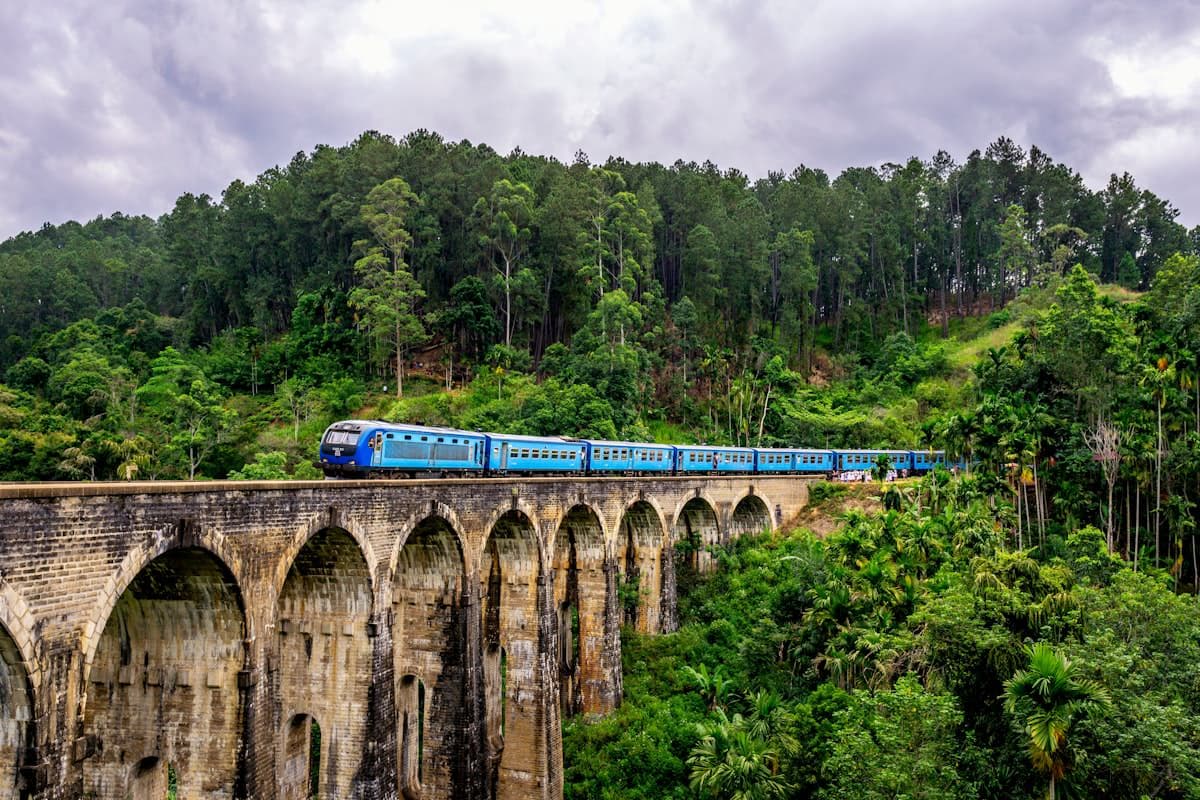
Sri Lanka's train network offers some of the most scenic rail journeys in Asia, particularly the Kandy to Ella route through tea-covered highlands, and is a popular choice for inter-city travel. Tuk-tuks are the go-to option for short urban hops, while long-distance buses cover the whole island cheaply; many visitors also hire a private driver for flexibility, especially in the Cultural Triangle.
Sri Lanka has two monsoon seasons, meaning the best time to visit depends on which region you plan to explore. The south and west coasts, including Colombo and Galle, are at their driest from December to March, while the east coast and northern areas are best visited from May to September.
Sinhala and Tamil are the two official languages of Sri Lanka. English is widely used in tourism, hospitality, and business, particularly in cities and at major attractions, so most visitors find communication straightforward without knowing any Sinhala or Tamil.
No vaccinations are mandatory for most travellers arriving from non-yellow-fever zones, but hepatitis A and typhoid are commonly recommended given the risk from food and water. Dengue fever is present across the island, so using a quality insect repellent containing DEET and wearing long sleeves in the evening is advisable; consult a travel health clinic at least six weeks before departure for personalised advice.
Tipping is not obligatory but is appreciated and forms a meaningful part of income for many hospitality workers. A gratuity of around 10 per cent is customary in restaurants where a service charge is not already included, and small tips of 50 to 100 rupees are welcome for hotel staff, while guides and drivers generally expect a more substantial gesture for a full day's service.