Attraction in Turkey
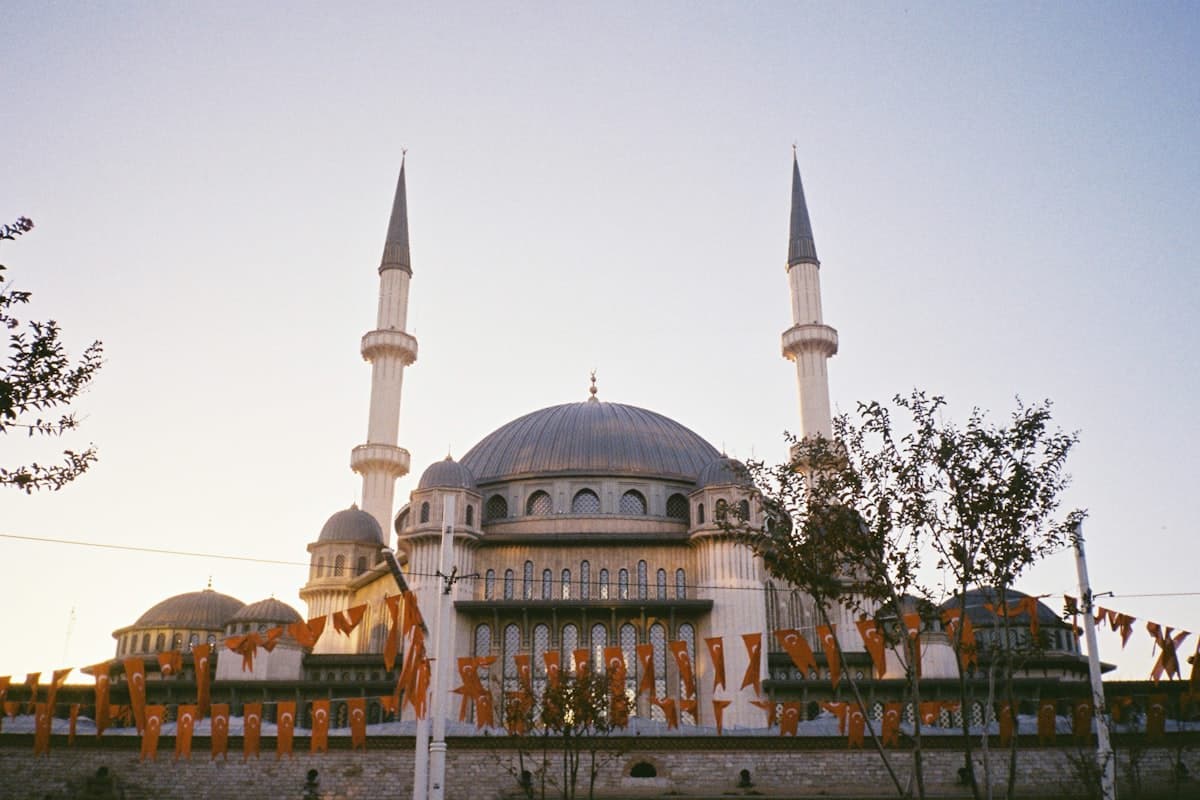
Hagia Sophia, Istanbul
UNESCO World Heritage
A 6th-century architectural marvel that has served as a cathedral, mosque, museum, and now mosque again. The colossal dome and Byzantine mosaics are awe-inspiring.
Wise
Your bank marks up every USD you spend in Turkey. Wise doesn't.
- No foreign transaction fees
- Free ATM withdrawals up to your limit
- Pay in local currency at the real rate
4.8 ★ App Store·4.8 ★ Google Play
Airalo eSIM
Your phone plan was built for home. This one was built for Turkey.
- No SIM swapping
- No data roaming charges
- Active in minutes
4.7 ★ App Store·4.6 ★ Google Play
Travel Guide
Frequently Asked Questions About Visiting Turkey
Citizens of many countries — including the UK, Germany, France, Netherlands, Japan, and South Korea — can visit Turkey visa-free for up to 90 days. US, Canadian, and Australian citizens need an e-Visa, which is obtained quickly online before travel. Check your specific passport via Yoogo.
Visa-free and e-Visa holders can stay up to 90 days within a 180-day period. The 180-day rolling window is strictly enforced — overstaying can result in a ban from future entry.
A valid passport with at least 6 months validity, a valid e-Visa printout or confirmation if required, and evidence of accommodation and sufficient funds.
Turkey is a popular tourist destination with millions of visitors annually. Major tourist areas are generally safe. Be aware of the elevated security situation in areas near the Syrian and Iraqi borders, which most governments advise against visiting. Monitor your government's travel advice.
The Turkish Lira (TRY, symbol ₺). Exchange rates have fluctuated significantly in recent years. Euros and US Dollars are accepted in many tourist areas but at poor exchange rates. Use local ATMs for better rates.
Turkish is the official language. English is widely spoken in tourist areas, hotels, and major cities. Kurdish is spoken by a significant minority in southeastern Turkey.
April to May and September to October are the best times to visit most of Turkey — warm and dry with fewer crowds. Summer (June–August) is peak season with hot weather perfect for the Aegean and Mediterranean coasts. Cappadocia is beautiful in winter with snow.
Ride a hot air balloon over Cappadocia at sunrise, explore Istanbul's mosques and Grand Bazaar, visit the ruins of Ephesus, soak in Pamukkale's thermal pools, cruise the Turquoise Coast, discover the underground cities of Derinkuyu, and sample the extraordinary Turkish cuisine.
Istanbul Airport (IST) is Turkey's main hub and one of Europe's busiest airports. Antalya Airport (AYT) handles the most charter and package holiday flights from Europe. Ankara Esenboğa (ESB) serves the capital.
Travel insurance is strongly recommended, covering medical expenses, trip cancellation, and emergency repatriation.
No vaccinations are required for entry. Hepatitis A, typhoid, and rabies (for adventure travellers) vaccinations are recommended.
Yes. A valid foreign driver's licence is accepted for up to 3 months. An International Driving Permit is recommended. Drive on the right side of the road.