←All destinations
Travel Guide
Visiting Western Sahara
Select your passport to instantly check if you need a visa.
Avoid Some Regions
UK FCDO: Your travel insurance could be invalidated if you travel against advice from the Foreign, Commonwealth & Development Office (FCDO).
Updated 2025-12-10
Discover
Top Attractions in Western Sahara
The most iconic and unmissable experiences this country has to offer.
Dakhla Lagoon
The Dakhla lagoon is a large, shallow stretch of turquoise water sheltered from the open ocean by a narrow peninsula. Its flat, warm water and reliable winds make it one of Africa's leading spots for kitesurfing and windsurfing, and its shores draw flamingos and other birdlife.
Atlantic Coastline and Beaches
Western Sahara has a long, wild Atlantic coastline where the desert meets the ocean in dramatic fashion. Wide empty beaches, rich fishing waters, and steady surf define this shore, and much of it remains remote and undeveloped.
Sahara Desert Dunes
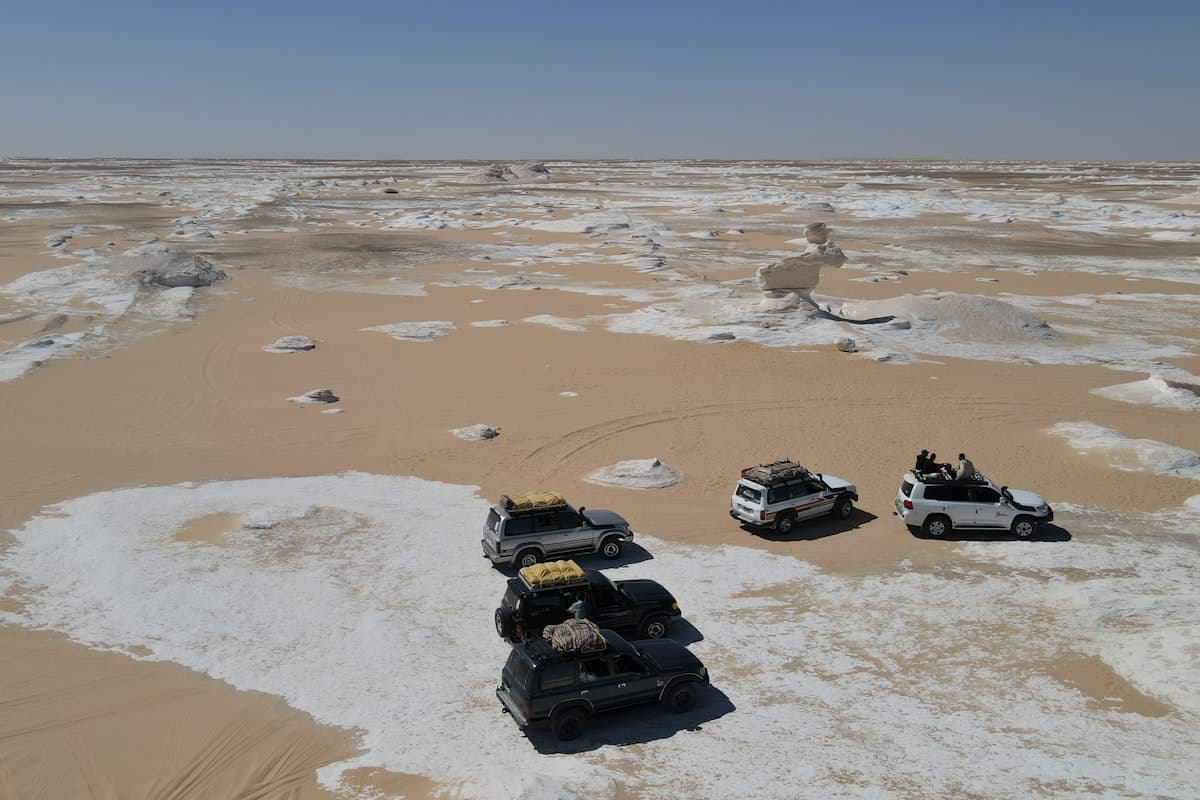
Inland from the coast, the landscape opens into the arid flatlands and dunes of the Sahara. This is some of the most sparsely populated terrain in Africa, offering vast horizons, deep silence, and a strong sense of the desert's scale.
Laayoune's Spanish-Colonial Architecture
Laayoune retains a distinctive layer of Spanish-colonial buildings dating from the era of the Spanish Sahara, including a former cathedral and civic structures. Wandering its older quarters reveals white facades, arches, and plazas that reflect this mixed heritage.
Wise
Your bank marks up every USD you spend in Western Sahara. Wise doesn't.
- No foreign transaction fees
- Free ATM withdrawals up to your limit
- Pay in local currency at the real rate
4.8 ★ App Store·4.8 ★ Google Play
Airalo eSIM
Your phone plan was built for home. This one was built for Western Sahara.
- No SIM swapping
- No data roaming charges
- Active in minutes
4.7 ★ App Store·4.6 ★ Google Play
Health & Safety
Health & Emergency Info
Before You Travel
Before you travel check that: your destination can provide the healthcare you may need you have appropriate travel insurance for local treatment or unexpected medical evacuation This is particularly important if you have a health condition or are pregnant. Emergency medical number Call 150 and ask for an ambulance. Contact your insurance company quickly if you’re referred to a medical facility for treatment. Vaccine recommendations and health risks At least 8 weeks before your trip: check the latest vaccine recommendations for Western Sahara see where to get vaccines and whether you have to pa
Full health advice (FCDO) →Emergency Numbers
Police19
Ambulance15
Fire15
Health information sourced from UK FCDO. Always consult a travel health professional before departure.
Practical Info
Travel Essentials
Travel Guide
Frequently Asked Questions About Visiting Western Sahara
Western Sahara is a disputed territory that is largely administered by Morocco, and in practice most travellers enter through the Moroccan-controlled areas. Entry requirements vary by passport, so check your specific requirements on the Western Sahara page at Yoogo.
The Moroccan Dirham (MAD) circulates throughout the administered areas, and it is the currency you will use for almost everything. Cash is essential in smaller towns and for markets, taxis, and fishing settlements, while larger hotels and some businesses in Laayoune and Dakhla may accept cards, so carry enough dirhams for daily needs.
The main towns such as Laayoune and Dakhla are generally calm and used to visitors, particularly around the kitesurfing scene. However, some governments advise caution because of the ongoing territorial dispute, and there are landmines and unexploded ordnance near the berm and in remote areas, so keep to established roads and towns, and check current travel advice before you go.
Most travel is by road along the coastal highway that links Laayoune, Boujdour, and Dakhla, using long-distance buses, shared taxis, or hire cars. Traffic drives on the right, distances between towns can be considerable, and there is an airport at both Laayoune and Dakhla for those wishing to fly in.
The cooler months from roughly October to April are the most comfortable for exploring, as summer inland can be intensely hot. The coast stays milder year round thanks to the Atlantic breeze, and Dakhla in particular is a popular destination for wind sports through much of the year.
Arabic and Spanish are the official languages, and the local population widely speaks Hassaniya Arabic along with Berber. Spanish lingers from the colonial era and French is also useful for travel and business, so a few words of Arabic or French will go a long way.
Medical facilities are limited outside the larger towns, so comprehensive travel insurance and a basic medical kit are strongly advised. The desert climate makes sun protection, plenty of water, and precautions against heat and dust important, and you should seek travel-health advice on routine vaccinations before departure.
The administered areas use the Moroccan telephone system and country code, and mobile coverage is reasonable in Laayoune, Dakhla, and other towns. A local Moroccan SIM or an eSIM gives the most reliable data, though signal can fade quickly once you head into the open desert.