←Western Sahara travel guide
City in Western Sahara
Smara
An inland desert town built around a historic religious and caravan heritage
Smara lies in the interior, away from the coast, and grew up around a nineteenth-century religious complex and old caravan routes. It offers a quieter, more traditional glimpse of Saharan life, surrounded by arid plains and open sky.
Check Western Sahara visa requirements →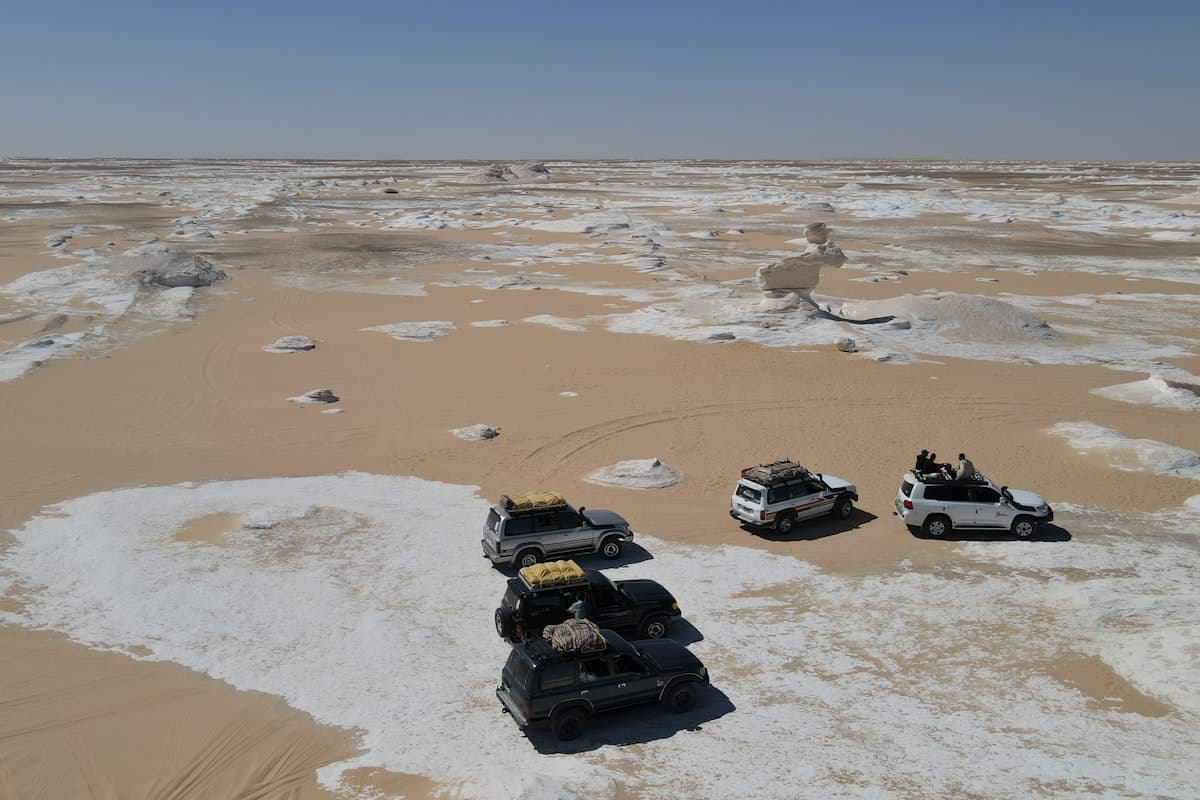
Wise
Your bank marks up every USD you spend in Western Sahara. Wise doesn't.
- No foreign transaction fees
- Free ATM withdrawals up to your limit
- Pay in local currency at the real rate
4.8 ★ App Store·4.8 ★ Google Play
Airalo eSIM
Your phone plan was built for home. This one was built for Western Sahara.
- No SIM swapping
- No data roaming charges
- Active in minutes
4.7 ★ App Store·4.6 ★ Google Play
Plan Your Trip
Getting Around Smara
Tours, stays, transfers, and flights — curated partner options are on the way.
Tours & Activities
Skip-the-line tickets, guided tours, and day experiences — curated partner options are on the way.
Coming soonWhere to Stay
Hotels, apartments, and guesthouses across every neighbourhood — booking options are on the way.
Coming soonAirport Transfers
Private and shared rides between the airport and the city centre — partner options are on the way.
Coming soonFlights
Compare fares from hundreds of airlines to find the best route in — search options are on the way.
Coming soonTravel Guide
Frequently Asked Questions About Visiting Western Sahara
Western Sahara is a disputed territory that is largely administered by Morocco, and in practice most travellers enter through the Moroccan-controlled areas. Entry requirements vary by passport, so check your specific requirements on the Western Sahara page at Yoogo.
The Moroccan Dirham (MAD) circulates throughout the administered areas, and it is the currency you will use for almost everything. Cash is essential in smaller towns and for markets, taxis, and fishing settlements, while larger hotels and some businesses in Laayoune and Dakhla may accept cards, so carry enough dirhams for daily needs.
The main towns such as Laayoune and Dakhla are generally calm and used to visitors, particularly around the kitesurfing scene. However, some governments advise caution because of the ongoing territorial dispute, and there are landmines and unexploded ordnance near the berm and in remote areas, so keep to established roads and towns, and check current travel advice before you go.
Most travel is by road along the coastal highway that links Laayoune, Boujdour, and Dakhla, using long-distance buses, shared taxis, or hire cars. Traffic drives on the right, distances between towns can be considerable, and there is an airport at both Laayoune and Dakhla for those wishing to fly in.
The cooler months from roughly October to April are the most comfortable for exploring, as summer inland can be intensely hot. The coast stays milder year round thanks to the Atlantic breeze, and Dakhla in particular is a popular destination for wind sports through much of the year.
Arabic and Spanish are the official languages, and the local population widely speaks Hassaniya Arabic along with Berber. Spanish lingers from the colonial era and French is also useful for travel and business, so a few words of Arabic or French will go a long way.
Medical facilities are limited outside the larger towns, so comprehensive travel insurance and a basic medical kit are strongly advised. The desert climate makes sun protection, plenty of water, and precautions against heat and dust important, and you should seek travel-health advice on routine vaccinations before departure.
The administered areas use the Moroccan telephone system and country code, and mobile coverage is reasonable in Laayoune, Dakhla, and other towns. A local Moroccan SIM or an eSIM gives the most reliable data, though signal can fade quickly once you head into the open desert.