←All destinations
Travel Guide
Visiting Australia
Select your passport to instantly check if you need a visa.
Discover
Top Attractions in Australia
The most iconic and unmissable experiences this country has to offer.
UNESCO World Heritage
Sydney Opera House
One of the 20th century's most distinctive buildings, this multi-venue performing arts centre sits dramatically on Bennelong Point in Sydney Harbour.
UNESCO World Heritage
Great Barrier Reef
The world's largest coral reef system stretches over 2,300 km and is home to thousands of species of marine life. Snorkelling and diving here is extraordinary.
Wise
Your bank marks up every USD you spend in Australia. Wise doesn't.
- No foreign transaction fees
- Free ATM withdrawals up to your limit
- Pay in local currency at the real rate
4.8 ★ App Store·4.8 ★ Google Play
Airalo eSIM
Your phone plan was built for home. This one was built for Australia.
- No SIM swapping
- No data roaming charges
- Active in minutes
4.7 ★ App Store·4.6 ★ Google Play
Health & Safety
Health & Emergency Info
Before You Travel
Before you travel check that: your destination can provide the healthcare you may need you have appropriate travel insurance for local treatment or unexpected medical evacuation This is particularly important if you have a health condition or are pregnant. Emergency medical number Dial 000 and ask for an ambulance. Contact your insurance or medical assistance company quickly if you’re referred to a medical facility for treatment. Vaccine recommendations and health risks At least 8 weeks before your trip: check the latest vaccine recommendations for Australia see where to get vaccines and wheth
Full health advice (FCDO) →Emergency Numbers
Police000
Ambulance000
Fire000
Health information sourced from UK FCDO. Always consult a travel health professional before departure.
Practical Info
Travel Essentials
Travel Guide
Frequently Asked Questions About Visiting Australia
Most visitors require either an Electronic Travel Authority (ETA, subclass 601), an eVisitor visa (subclass 651), or a Tourist visa (subclass 600) before travelling to Australia. Citizens of many countries can apply for an ETA or eVisitor online within minutes. Check your specific passport nationality using the Yoogo visa checker.
The ETA and eVisitor visas allow stays of up to 3 months per visit, while a Tourist visa can grant up to 12 months. Most travellers on standard visitor authorisations are admitted for 3 months.
You need a valid passport with at least 6 months' validity, a valid Australian visa or ETA, a completed Incoming Passenger Card (provided on the flight), and evidence of sufficient funds and a return or onward ticket.
Australia is one of the safest countries in the world for tourists. Crime rates are low by international standards. The main hazards are natural — extreme heat, UV radiation, jellyfish, and some venomous wildlife. Standard travel precautions apply.
The Australian Dollar (AUD, symbol A$) is the official currency. ATMs are widely available in cities and tourist areas. Credit and debit cards are accepted almost everywhere, including contactless tap payments.
English is the official and dominant language of Australia. A small number of indigenous languages are also spoken. Australian English has its own distinctive accent and slang.
Australia is a large continent with varied climates. Generally, September to November (spring) and March to May (autumn) offer comfortable temperatures across most regions. Avoid the tropical north during the wet season (November–April). Sydney and Melbourne are best in summer (December–February).
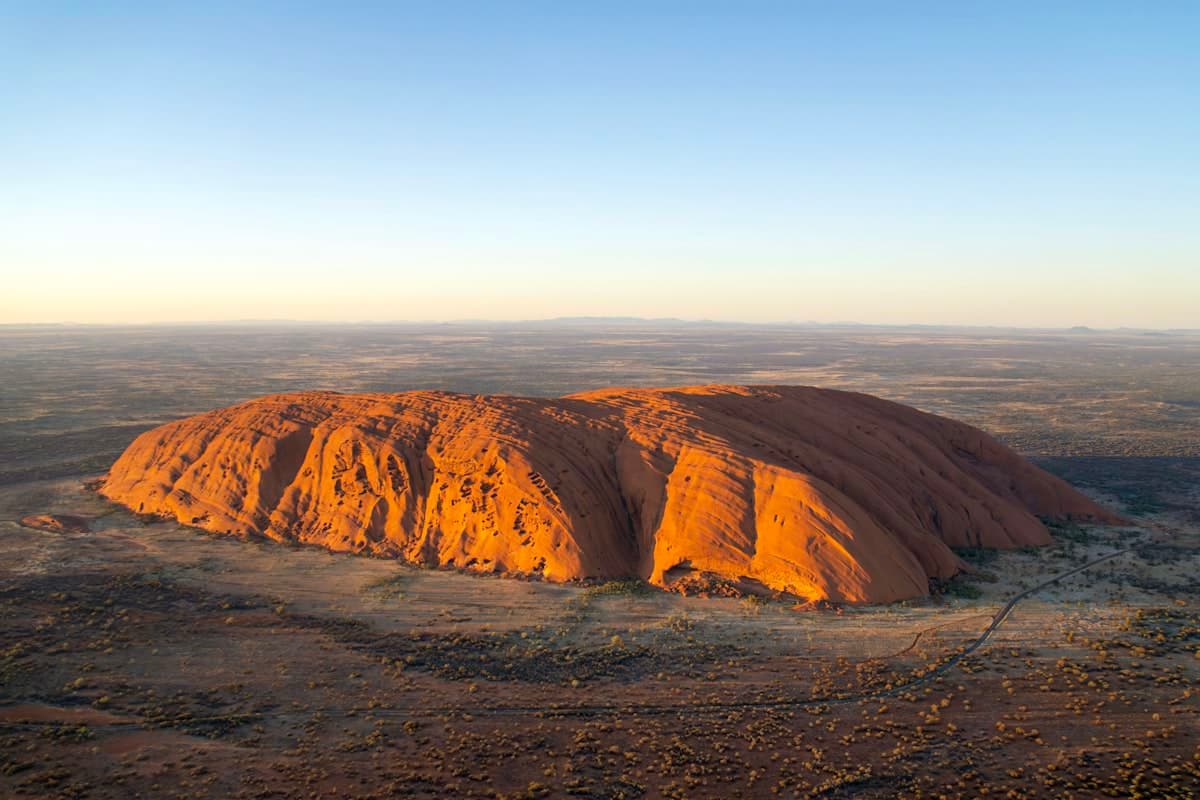
Snorkel or dive the Great Barrier Reef, watch the sunrise at Uluru, walk the Bondi to Coogee coastal path, explore the Daintree Rainforest, take the scenic Great Ocean Road drive, visit Sydney Opera House, spot kangaroos and koalas in the wild, and explore Melbourne's world-famous laneways.
Sydney Kingsford Smith Airport (SYD) handles the most international traffic. Melbourne Airport (MEL), Brisbane Airport (BNE), and Perth Airport (PER) are also major international gateways.
Travel insurance is strongly recommended. Australia has high medical costs for non-residents, and many adventure activities require specific cover. The Australian government cannot pay your medical bills overseas, and Medicare is not available to most tourists.