←All destinations
Travel Guide
Visiting Cuba
Select your passport to instantly check if you need a visa.
Reconsider Travel
UK FCDO: The FCDO advises against all but essential travel to the whole of Cuba due to shortages of fuel, food, and medicine, repeated power grid failures, and related disruption to transport, medical care, and communications. International card payments have been banned since 6 June, so visitors need to carry enough cash for their whole stay. Some international airlines have suspended flights, which may limit departure options.
Updated 2026-07-19 10:39:20
Discover
Top Attractions in Cuba
The most iconic and unmissable experiences this country has to offer.
UNESCO World Heritage
Old Havana
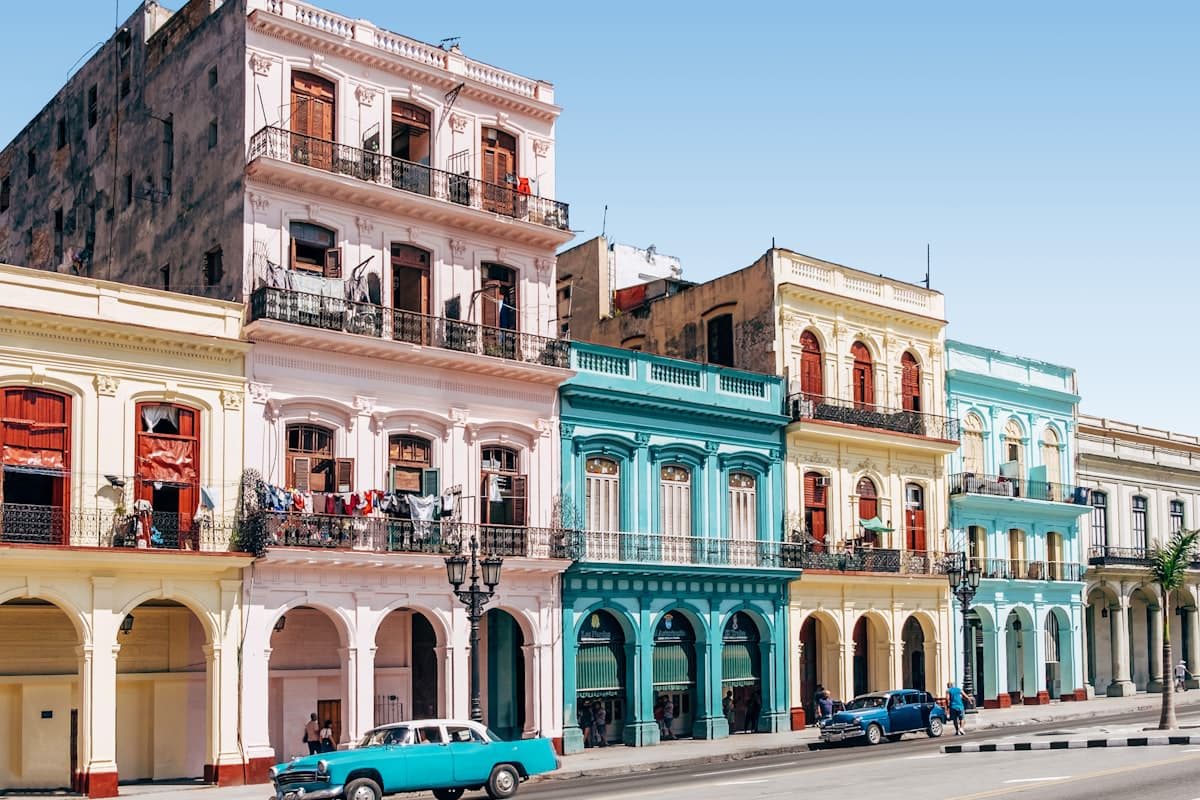
Old Havana is the historic colonial heart of the capital and a UNESCO World Heritage Site, woven from cobbled plazas, sixteenth-century churches, and grand baroque and neoclassical facades. Best explored slowly on foot, it combines restored squares such as Plaza Vieja with casas particulares, bars, and the constant rhythm of street music.
UNESCO World Heritage
Vinales Valley
Vinales Valley, in western Cuba, is a UNESCO-listed landscape of dramatic limestone hills called mogotes rising above red-earth tobacco fields. Travellers can walk or ride horseback between traditional farms, visit the Cueva del Indio, and take in the painted Mural de la Prehistoria on a sheer rock face.
Wise
Your bank marks up every USD you spend in Cuba. Wise doesn't.
- No foreign transaction fees
- Free ATM withdrawals up to your limit
- Pay in local currency at the real rate
4.8 ★ App Store·4.8 ★ Google Play
Airalo eSIM
Your phone plan was built for home. This one was built for Cuba.
- No SIM swapping
- No data roaming charges
- Active in minutes
4.7 ★ App Store·4.6 ★ Google Play
Health & Safety
Health & Emergency Info
Before You Travel
Before you travel check that: your destination can provide the healthcare you may need you have appropriate travel insurance for local treatment or unexpected medical evacuation This is particularly important if you have a health condition or are pregnant. Emergency medical number Call 104 and ask for an ambulance. Contact your insurance company quickly if you’re referred to a medical facility for treatment. Vaccine recommendations and health risks At least 8 weeks before your trip: check the latest vaccine recommendations for Cuba see where to get vaccines and whether you have to pay on the N
Full health advice (FCDO) →Emergency Numbers
Police106
Ambulance104
Fire105
Health information sourced from UK FCDO. Always consult a travel health professional before departure.
Practical Info
Travel Essentials
Travel Guide
Frequently Asked Questions About Visiting Cuba
Entry requirements vary by passport. Check the requirements for your specific passport on the Cuba page at Yoogo.
Cuba uses the Cuban peso (CUP). The country's dual currency era has officially ended, with the CUP as the sole legal currency. Cash is essential; most foreign debit and credit cards, particularly US-issued cards, do not work in Cuba. Bring sufficient euros, Canadian dollars, or other non-US currency in cash to exchange on arrival. ATMs are limited and unreliable.
Cuba is generally safe for tourists by regional standards. Violent crime against visitors is rare. Petty theft and scams targeting tourists, particularly in Havana's tourist areas, do occur. The country faces significant economic shortages of fuel, food, and medicines that can affect travel plans. Power cuts (apagones) are frequent. Check your government's travel advisory for the latest conditions.
Viazul is the main long-distance bus company for tourists, connecting major cities reliably. Classic American cars (almendrones) act as shared taxis for set-route journeys. Taxis are available in main cities; negotiate the fare before getting in. Domestic flights connect Havana with key cities and beach resorts. Hire cars are available but fuel shortages can affect availability.
November to April is the best time to visit, with dry, sunny weather and comfortable temperatures of around 24–26°C. May to October is the wet season, bringing heat, humidity, and hurricane risk from June to November. December and March to April are peak visitor months. Shoulder months of November and early December offer a good balance of weather and fewer crowds.
Spanish is the official language. Cuban Spanish has a distinctive musical accent with dropped consonants that can challenge other Spanish speakers. English is spoken at upscale hotels and resorts catering to international tourists, but is limited elsewhere. Learning a few Spanish phrases goes a long way in connecting with locals.
No vaccinations are legally required for most travellers. Hepatitis A and typhoid are sometimes recommended. Healthcare in Cuba is theoretically universal, but access for foreigners through the tourist system (Asistur) can be expensive. Medical supplies are often limited due to shortages. Bring a comprehensive supply of any medications you need.
Yes, tipping is an important part of Cuba's visitor economy. Restaurant staff, musicians, hotel porters, cleaners, and tour guides rely on tips as a significant part of their income. One to three CUP (or the equivalent in hard currency) per service is a standard guide. Always tip in cash.